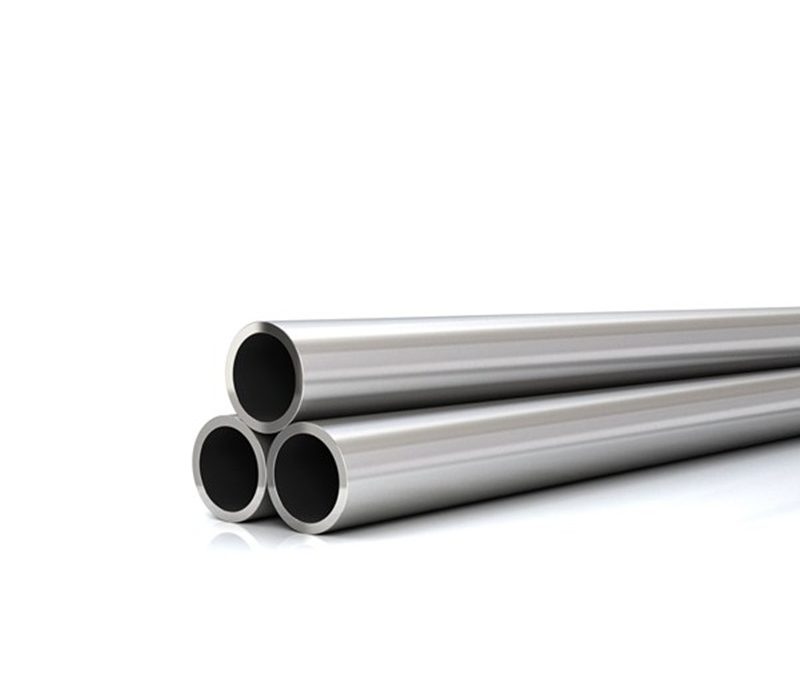
by xotmetals | Oct 3, 2020 | Niobium
Introduction The melting point of niobium is 2468 ℃, and the density of it is 8.6 g/cm3. With the characteristics of corrosion resistance, high temperature resistance and malleability, niobium is widely used in electronics industry, steel industry, chemical industry,...

by xotmetals | Sep 17, 2020 | Nitinol
Nickel-titanium (Nitinol) alloys are rapidly becoming the materials of choice for self-expanding stents, graft support systems, filters, baskets and various other devices for minimally-invasive interventional and endoscopic procedures. Nitinol alloys are most qommonly...
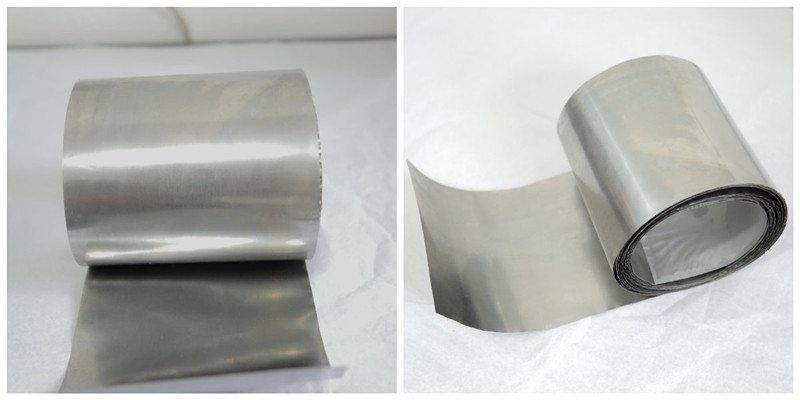
by xotmetals | Sep 12, 2020 | Nitinol
Nitinol formula is NiTi. by its shape memory and superelastic characteristics, Nitinol is a nickel-titanium alloy distinguished from other materials.it has excellent properties, including kink resistance, biocompatibility and elasticity. the elements it’s composed...
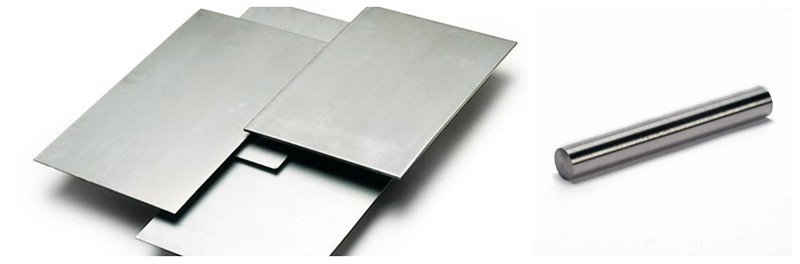
by xotmetals | Sep 7, 2020 | Niobium
Introduction of Nb521 alloy Nb521 niobium alloy adds W, Mo, Zr alloying elements and a small amount of C element to the niobium matrix. It further improves the room temperature and high temperature mechanical properties of the niobium alloy through a combination of...
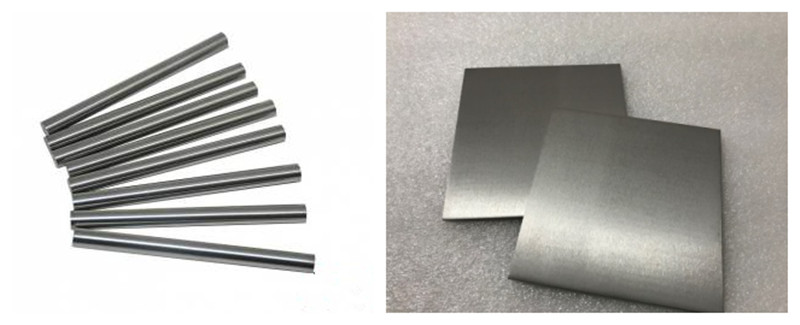
by xotmetals | Sep 1, 2020 | Niobium
Giving zirconium addition to niobium can improve the strength of the niobium alloy without affecting its ductility and workability. Zirconium can also improve the resistance performance to oxidation and corrosion. Nb-Zr 1% is the most widely used niobium alloy, which...
